In today’s fast-paced digital age, where inboxes overflow with emails and online ads are blocked by software, direct mail remains a vital and relevant tool in any marketing strategy. When combined with digital marketing, direct mail creates a powerful, multi-channel approach that boosts engagement and conversion rates. Here’s why direct mail is still a game changer and how it can complement digital marketing efforts.
Direct Mail Stands Out in a Crowded Digital Landscape
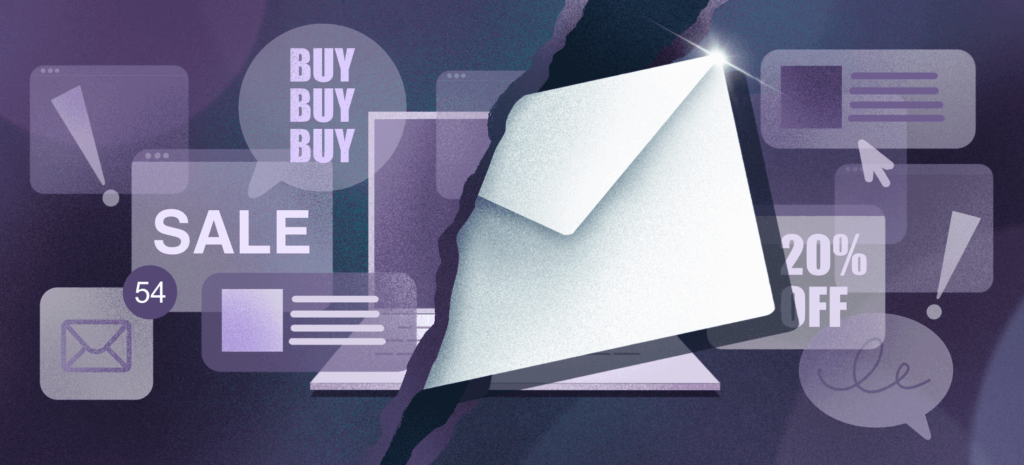
Inboxes are flooded daily with promotional emails, and online ads are increasingly being blocked by software or ignored altogether. Direct mail, on the other hand, provides a tangible, physical connection that captures attention. Studies show that 42.2% of direct mail recipients read or scan the mail they receive, compared to the average email open rate of 21.33% across industries.
Direct Mail Builds Trust and Credibility
Trust is critical in marketing, and direct mail helps build trust by offering something concrete. Many consumers view physical mail as more trustworthy and reliable compared to digital communications, which can often feel impersonal or spammy. Whether it’s a beautifully designed postcard, a catalog, or a personalized letter, direct mail allows brands to communicate authenticity. When done right, this fosters brand loyalty and drives conversions.
Direct Mail and Digital: The Perfect Match
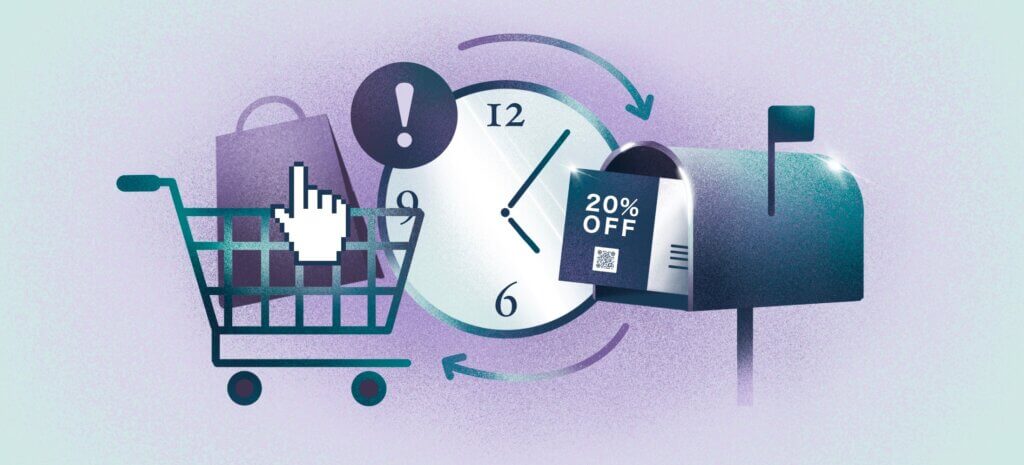
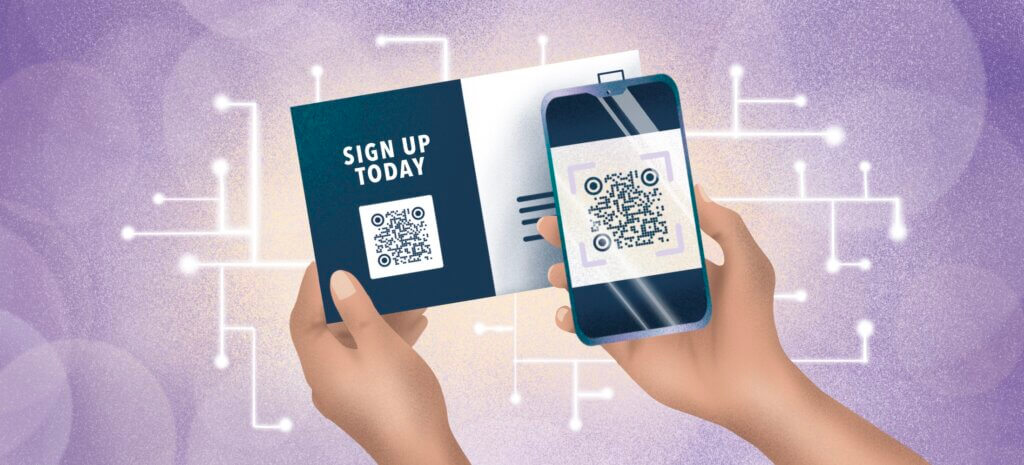
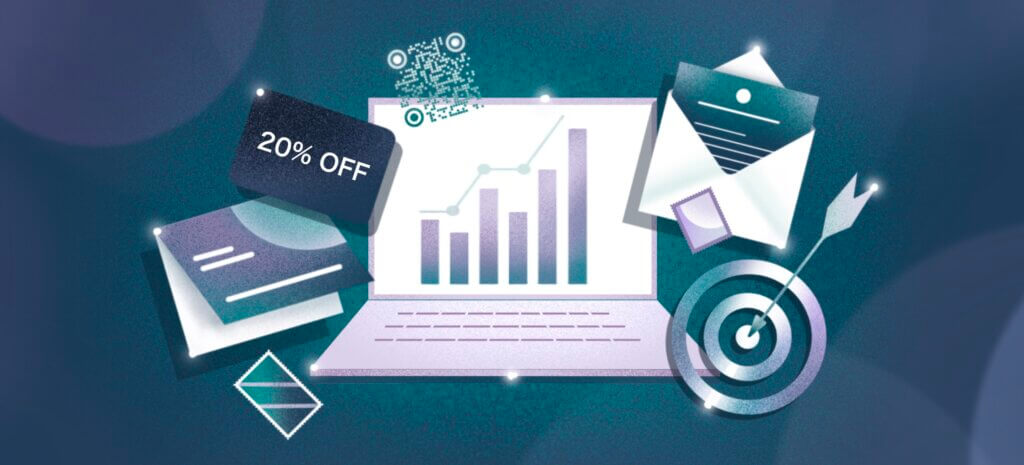
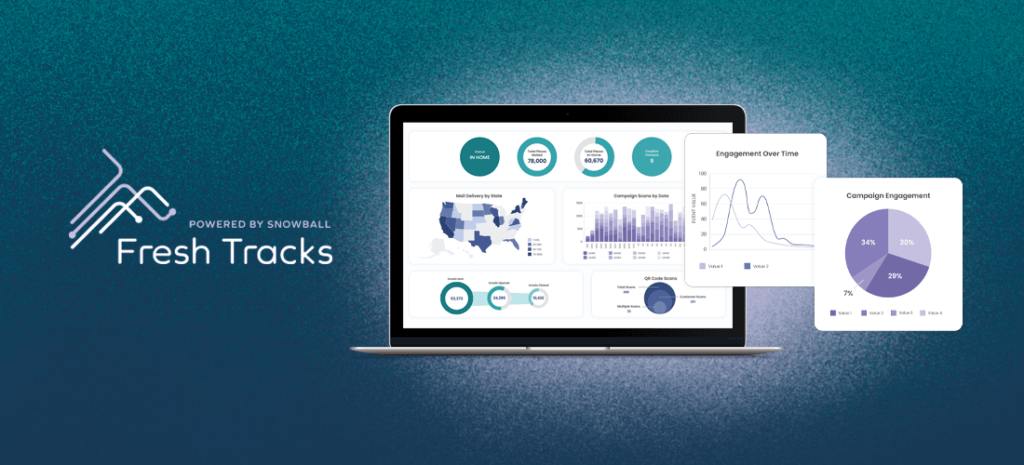
Direct mail is at its most powerful when it works in tandem with digital marketing. A classic example is sending a direct mail piece—such as a postcard or catalog—offering a limited-time promotion, followed by an email or SMS reminder to take advantage of the offer. QR codes or personalized URLs (PURLs), can be added to direct mail pieces, linking them directly to digital content or e-commerce platforms, while providing crucial attribution. This seamless integration creates multiple touchpoints that increase the likelihood of customer engagement and conversion.
Gen Z’s Surprising Love for Direct Mail
It may come as a surprise, but Gen Z—one of the most digitally connected generations—has shown a growing interest in direct mail. According to research, 82% of Gen Z say they read direct mail from retail brands, and they find it more trustworthy than digital advertising. This opens up significant opportunities for brands to engage younger consumers in a medium they find reliable, while also standing out in a digital-first world. Direct mail has evolved from something considered old-fashioned into a tool that resonates with all age groups, especially when creatively executed.
Personalization and Targeting
Direct mail allows for highly personalized messages that can be tailored to specific audience segments. For example, you can send custom offers to loyal customers based on their past purchases, while delivering brand awareness campaigns to newer prospects. When paired with data from digital interactions, you can refine your targeting further, increasing the relevance of your message and the likelihood of a positive response.
SUMMARY:
Direct mail’s tactile, personal nature makes it a standout marketing channel, especially when digital fatigue sets in. When combined with digital marketing strategies, direct mail can boost response rates, build trust, and engage even younger generations like Gen Z. The future of direct mail is bright, as it evolves alongside the digital world to create powerful, omni-channel marketing campaigns.