How enterprise marketers in financial services, insurance, and e-commerce are deploying personalised mail within 48 hours of customer intent signals — and what results they’re seeing.
In direct mail, timing isn’t everything — it’s the only thing.
The most beautifully designed mail piece, sent to the most perfectly targeted audience, will underperform if it arrives at the wrong moment. That’s the fundamental insight driving one of the most significant shifts in direct mail strategy today: trigger-based execution.
What Is Trigger-Based Direct Mail and How Is It Different From Traditional Campaigns?
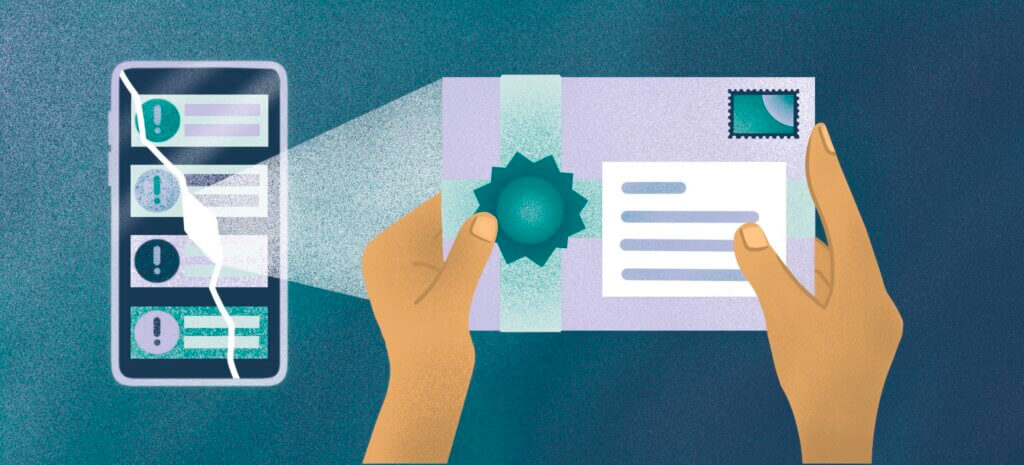
Trigger-based direct mail replaces the traditional fixed-calendar campaign model with something far more responsive. Instead of sending based on broad demographics or static mailing lists, it uses live digital signals — website visits, abandoned applications, product page views, CRM pipeline changes, or call center interactions — to deploy a personalized mail piece within hours of the triggering event.
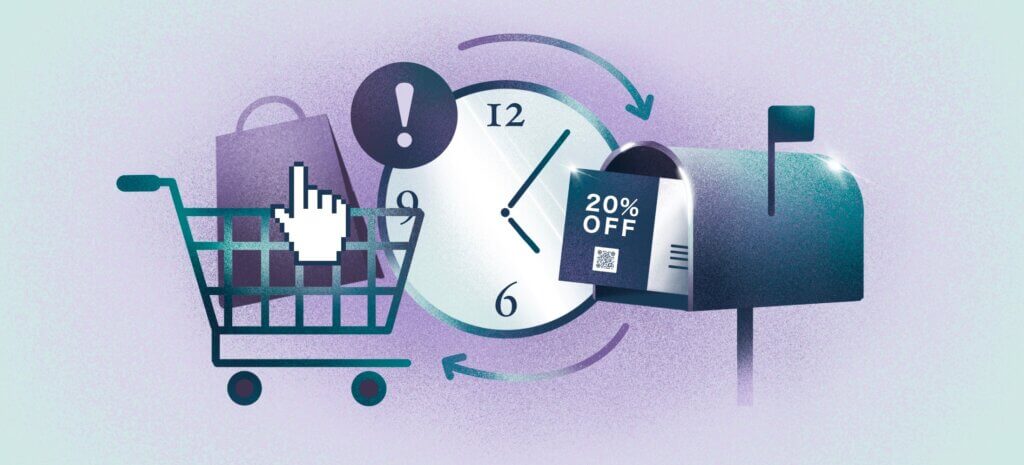
The mechanics are straightforward. A prospect browses insurance quotes online but doesn’t complete the form — a tailored offer lands in their mailbox within 48 hours. A shopper abandons a cart — a postcard featuring that exact product arrives just as they’re reconsidering the purchase. The mail doesn’t feel like an ad. It feels like a solution that showed up right on cue.
Why Does Timing Matter So Much in Direct Mail? The Science Behind Intent-Based Response Rates
Customers don’t respond to marketing noise — they respond to timely relevance. When a mail piece is deployed based on demonstrated intent, the recipient’s mindset is already open to the message. That’s why trigger-based campaigns consistently outperform traditional static drops across response rate, conversion, and ROI.
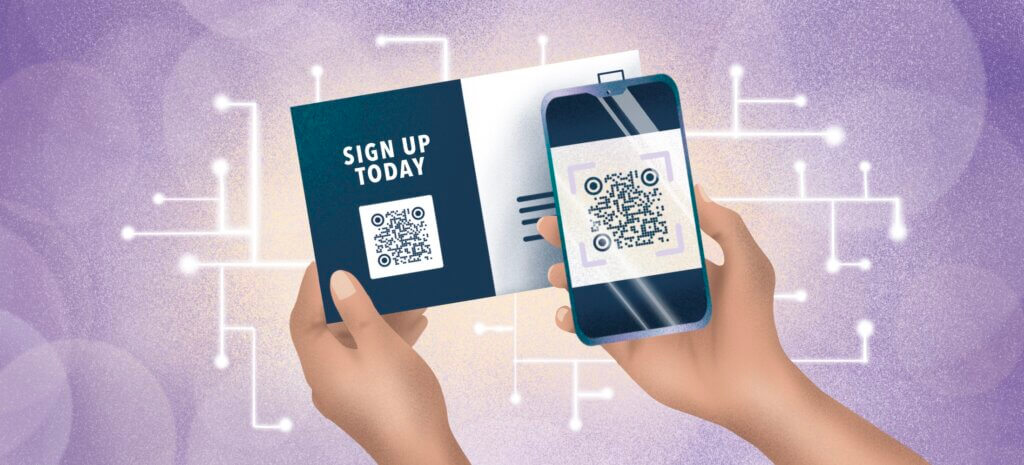
The data is compelling: direct mail paired with digital channels drives a 27% lift in response rates, a 53% increase in lead generation, and 68% of marketers report boosted website visits as a direct result. Meanwhile, 97% say omnichannel integration is a core driver of overall campaign performance. Trigger-based mail earns those results because it mirrors how customers actually behave — dynamically and on their own terms.
What Makes Trigger-Based Mail More Effective Than Digital Retargeting? The Always-On Physical Advantage
What makes trigger-based direct mail so powerful is its persistence. Unlike a digital ad that disappears the moment someone scrolls, a physical piece lands on a desk or counter and stays there — in the recipient’s environment, reinforcing the message long after the triggering moment has passed.
Today’s automated print and mail workflows mean pieces can be produced and delivered within 24 to 48 hours of the triggering event. For enterprise marketers in financial services, insurance, automotive, and subscription commerce, that speed-to-mailbox is a genuine competitive advantage.
Direct mail has always been personal. Trigger-based execution makes it perfectly timed too.
Get in touch to learn more about how an Intent Based Campaign could work for you.