As we approach 2025, we’re looking ahead to the trends that will shape the future of direct mail. Here are our top five predictions for 2025:
1. AI-Driven Data Targeting
Artificial Intelligence (AI) is revolutionizing the way marketers identify and reach their ideal audiences. In 2025, expect AI to become more prevalent in direct mail targeting strategies.
AI can analyze vast amounts of data—including purchase history, browsing behavior, and demographic details—to create highly accurate models of customer behavior. This means direct mail campaigns can be more personalized than ever before, reaching recipients who are not just likely to engage but ready to act. The days of sending out generic mailers to massive lists are behind us. Instead, AI will enable hyper-personalized mailers that resonate with individuals on a deeper level. With AI, direct mail will become smarter, leaner, and more effective, helping brands reduce waste while boosting ROI.
2. Right Time Marketing
Timing is everything, and in 2025, “Right Time Marketing” will take center stage. This emerging trend focuses on delivering marketing messages at the precise moment a potential customer is ready to make a purchase. Thanks to advancements in intent data—collected from online searches, social media activity, and other digital breadcrumbs—marketers can now predict when customers are in the market for specific products or services.
Direct mail will leverage this data to create campaigns that hit mailboxes at exactly the right time. The power of Right Time Marketing lies in its ability to seamlessly align with a customer’s journey, making direct mail feel less like marketing and more like serendipity.
3. Digital Integration
In 2025, the lines between digital and physical marketing will blur even further. Omnichannel marketing is no longer a nice-to-have; it’s a necessity. Brands that integrate direct mail with their digital strategies will be the big winners.
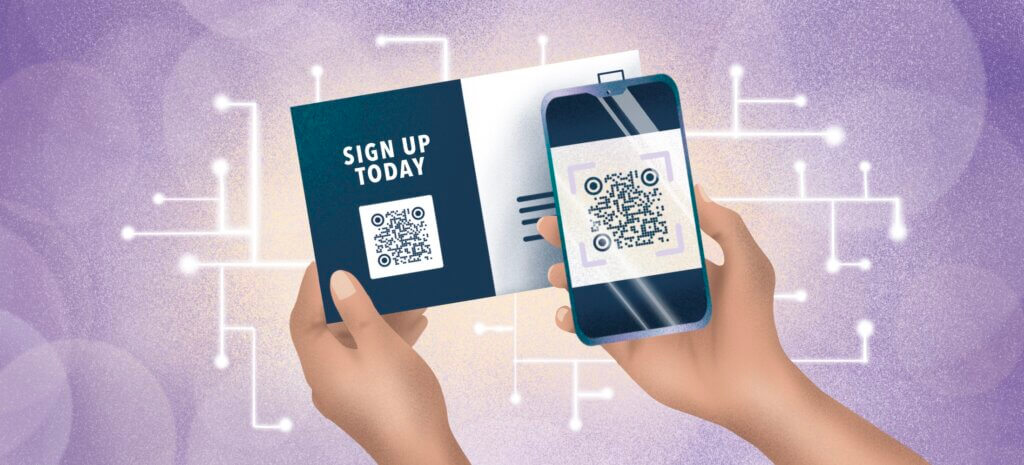
Direct mail and digital can work hand-in-hand to create a seamless customer experience. For instance, a QR code on a postcard can lead recipients to a personalized landing page, while an email campaign can reinforce the messaging of a direct mail piece. Social media ads can retarget individuals who received your mailer but haven’t converted yet. The key is creating a cohesive message across channels, ensuring that each touchpoint strengthens the overall campaign.
Consumers now expect brands to meet them wherever they are—online, offline, or somewhere in between. In 2025, the most successful direct mail campaigns will be those that bridge the gap between physical and digital worlds, creating a unified customer journey.
4. Data-Driven Attribution Methods
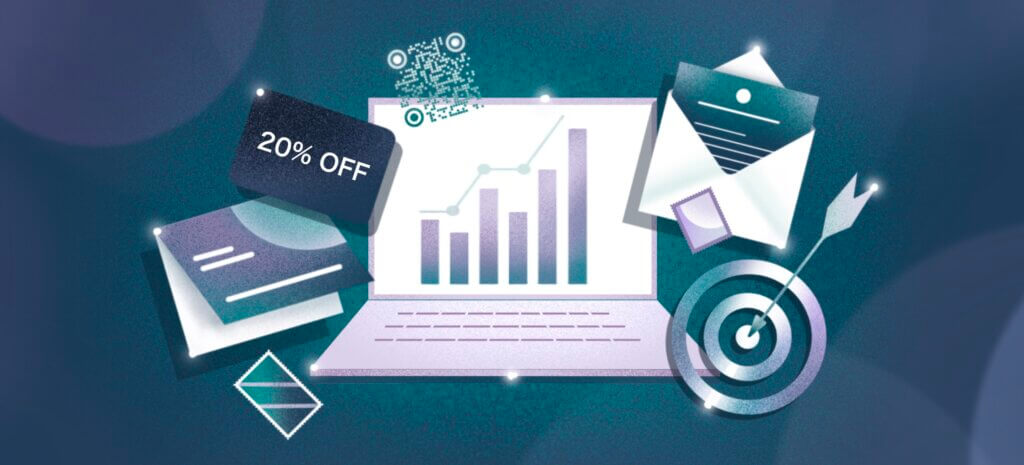
Gone are the days of guessing whether your direct mail campaign worked. In 2025, marketers will have access to advanced attribution tools that provide clear, actionable insights into campaign performance. Dashboards, API integrations, and real-time analytics will become standard for direct mail campaigns.
Brands will increasingly rely on data-driven attribution methods to track responses, measure ROI, and refine future strategies. Techniques like unique tracking codes, personalized URLs (PURLs), and call tracking will be combined with sophisticated software that integrates directly with CRM systems. These tools will allow marketers to understand exactly which mailers drove conversions and how they fit into the broader customer journey.
With these advancements, direct mail will no longer be viewed as a standalone channel but as an integral part of a data-driven marketing ecosystem. Expect to see more brands adopting attribution dashboards that give them a 360-degree view of their campaigns in real-time.
5. Getting Fancy With It
For brands with the budget and appetite for innovation, 2025 will be the year of “getting fancy” with direct mail. Emerging technologies like NFC chips, augmented reality (AR), and voice-activated mailers are set to make direct mail more interactive and engaging than ever.
Imagine receiving a postcard with an embedded NFC chip that, when tapped with a smartphone, takes you to a virtual tour of a property. Or a catalog that uses AR to let you visualize furniture in your living room. Voice-activated mailers could even allow recipients to respond to offers or place orders by simply speaking to their smart devices.
These innovations not only capture attention but also create memorable experiences that leave a lasting impression. While these tactics may not be accessible to every brand, early adopters will set themselves apart in a crowded marketplace, demonstrating that direct mail can be as cutting-edge as any digital channel.
Final Thoughts
The future of direct mail is bright, bold, and innovative. As a woman-owned and run agency, we’re passionate about combining data-driven strategies with creative flair to help our clients connect with their audiences in meaningful ways. The future is now—and we can’t wait to see where it takes us.