As the 2024 election cycle heats up, there is a noticeable surge in the volume of political direct mail making its way to American households. Both major political parties, along with numerous political action committees (PACs), grassroots organizations, and local candidates, are heavily investing in direct mail campaigns. In a digital age where SMS and online ads dominate, the continued reliance on direct mail might seem counterintuitive to some. However, there are several compelling reasons why political direct mail remains a cornerstone of campaign strategies, especially during election years.
The Volume Surge: Direct Mail Floods in Election Years
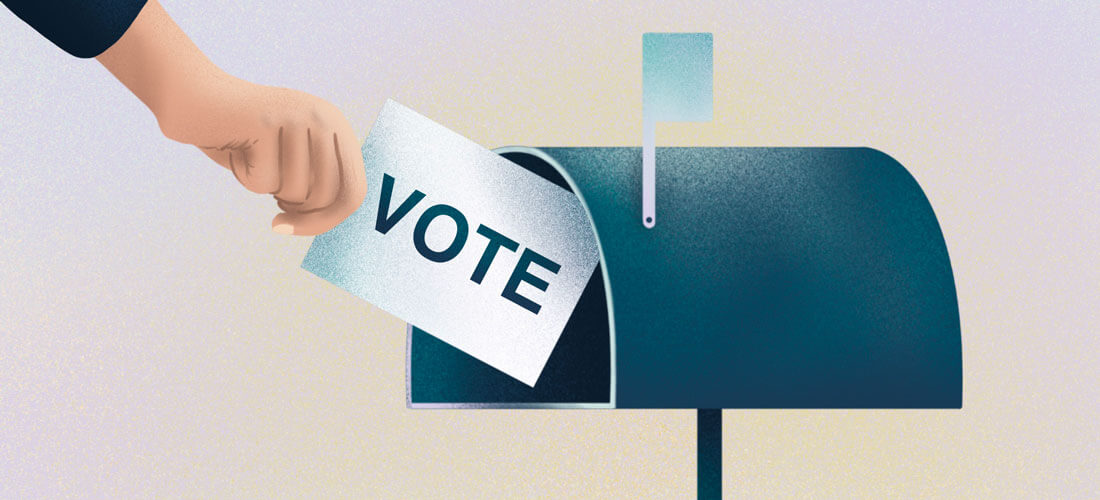
Election years, particularly presidential election years like 2024, see a significant increase in direct mail volumes. This spike is fueled by the urgency of reaching voters directly in a cluttered media environment. According to the United States Postal Service, direct mail volumes can increase by as much as 20-30% during major election cycles. With billions of dollars spent on election campaigning, a substantial portion is allocated to direct mail. This year’s election is no different, with mailboxes filling up with political literature ranging from postcards and flyers to detailed policy brochures.
Why this surge in volume? The answer lies in the nature of direct mail itself. Unlike digital ads, which are fleeting and easily ignored, direct mail offers a tangible, physical touchpoint with potential voters. A well-crafted piece of direct mail can sit on a kitchen counter, hang on a refrigerator, or be revisited several times before a decision is made. This repeated exposure is invaluable, especially when every vote counts.
Effectiveness: Direct Mail vs. SMS Marketing and Digital Channels
When comparing the effectiveness of direct mail to SMS marketing and digital channels, it’s important to understand each medium’s unique advantages. Digital marketing, including social media ads and email campaigns, has become a staple in modern political campaigning. It’s cost-effective, highly targeted, and can be delivered quickly. SMS marketing also offers immediacy and a direct line to voters’ personal devices. However, both digital and SMS campaigns face challenges such as digital ad fatigue, spam filters, privacy concerns, and growing voter skepticism towards online messaging.
On the other hand, direct mail offers several advantages that digital channels can’t easily replicate:
- Tangibility: Unlike an email or a text message, a piece of direct mail is a physical object that people can touch, feel, and even keep. This tangibility can lead to a more memorable and lasting impression, which is critical in a high-stakes political campaign.
- Targeted Reach: With advances in data analytics, direct mail campaigns can be highly targeted and personalized, much like digital campaigns. Campaigns can segment voters by geography, demographics, voting history, and even specific political issues to ensure the message resonates.
- Less Competition for Attention: Unlike digital spaces that are saturated with ads, pop-ups, and notifications, a voter’s mailbox is far less cluttered. This means a piece of well-designed direct mail has a better chance of being noticed and considered.
- Trust and Credibility: Many voters still view direct mail as a more credible source of information compared to digital ads, which can be easily manipulated or faked. Physical mail adds an element of authenticity and seriousness to a candidate’s message, reinforcing their legitimacy.
Why Do Political Campaigns Continue to Invest in Direct Mail?
- Despite the rise of digital and SMS marketing, political campaigns continue to make substantial investments in direct mail for several reasons:
Voter Demographics: Certain voter demographics, such as older adults, are more receptive to direct mail than digital ads or SMS. These groups often have higher voter turnout rates, making them crucial targets for campaigns. - Increased Voter Engagement: Studies show that direct mail can enhance voter engagement by providing more in-depth information that digital ads can’t always convey. This can be particularly effective for local and state elections where candidates need to communicate detailed policy stances.
- Multi-Channel Integration: Savvy political campaigns know that an integrated, multi-channel approach is most effective. Direct mail complements digital strategies, reinforcing messages seen online or in text messages. The combined impact can amplify a campaign’s reach and influence.
Conclusion
As we head deeper into the 2024 election year, the increased volume of political direct mail serves as a testament to its enduring effectiveness. While digital and SMS marketing have their place, direct mail offers a unique set of advantages—tangibility, trust, targeted reach, and less competition for attention—that make it a critical component of any comprehensive political marketing strategy. For political campaigns seeking to cut through the noise and reach voters where it matters most, direct mail remains a powerful tool that shows no signs of disappearing.