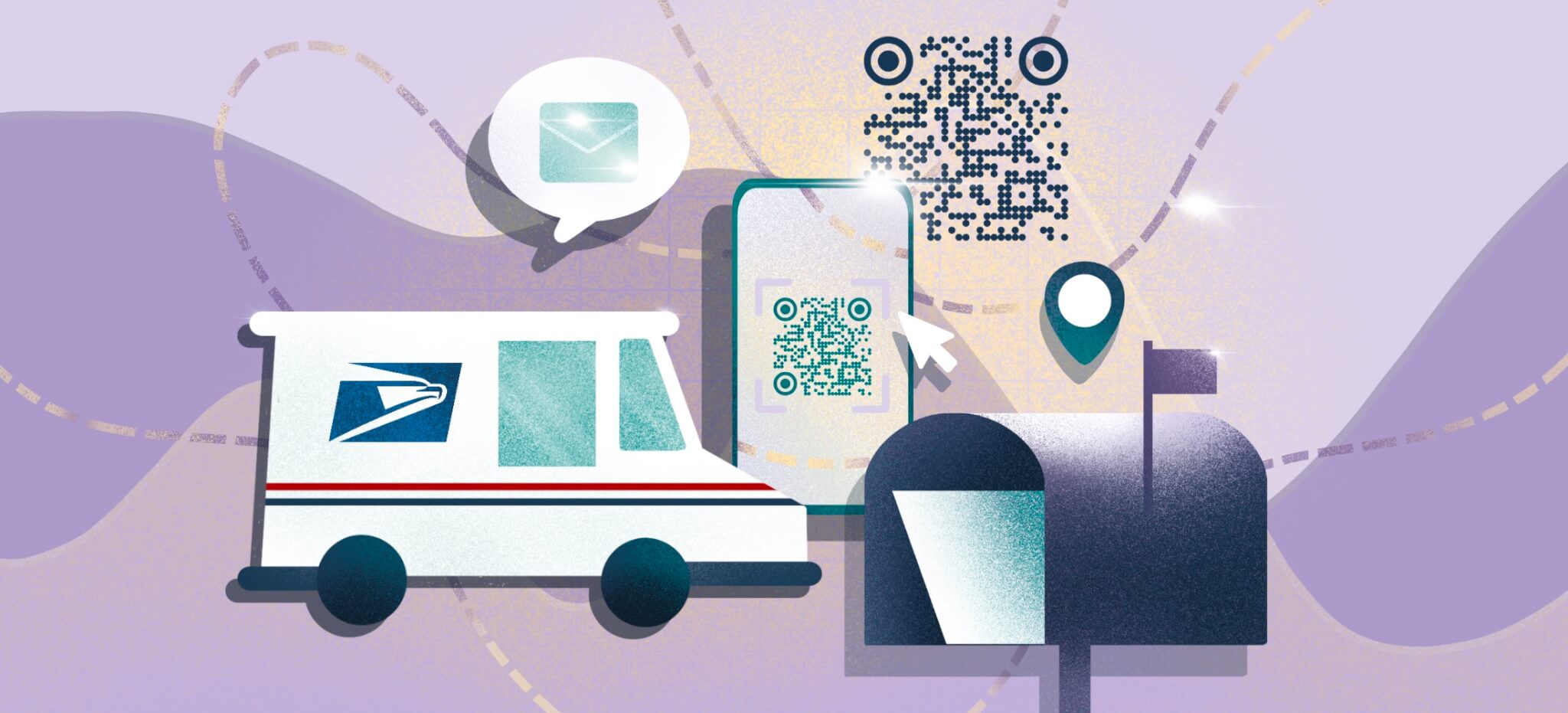
Direct mail marketing has evolved from being considered “old-school” to one of the most dynamic and exciting spaces in the modern marketing mix. It’s one of the few channels where offline and online worlds truly meet, creating unique opportunities for brands to connect with their audience in a tangible, measurable way. But how can you really prove direct mail works in today’s data-driven environment? Let’s explore the top attribution methods marketing analysts use today to demonstrate the effectiveness of direct mail and how it integrates with the digital ecosystem.
The Evolution of Attribution in Direct Mail
Gone are the days of relying on vanity URLs to track direct mail effectiveness. While they served as an early attempt to measure results, they often failed to provide the full picture in today’s complex marketing landscape. Today, modern attribution methods involve sophisticated techniques that go beyond surface-level insights, allowing marketers to understand impact and the ROI of direct mail with much more precision.
One of the most widely used attribution methods is the matchback process. This method involves taking the file of individuals who responded to a direct mail campaign and cross-referencing it with recent customer data provided by the client. Analysts suppress the responder list against the customer file to identify those who took action during the campaign window and were also included in the mailing list. This type of matchback analysis provides concrete evidence that the direct mail piece played a role in driving conversions, whether it’s opening new accounts, redeeming offers, or engaging with the brand.
Merging Offline and Online with Informed Delivery and QR Codes
USPS’s Informed Delivery service is another exciting way to bridge the gap between offline and online channels. Opted-in customers receive a daily email with a digital image of their incoming mail, including a clickable, ride-along ad. This provides a seamless way to integrate direct mail with digital engagement, offering a touchpoint that turns a physical mailpiece into a clickable online experience. Marketers can then track engagement with the digital ad, further proving how direct mail drives online interactions.
Similarly, QR codes have come a long way in direct mail marketing. Today’s QR codes can be personalized to the recipient, offering an unprecedented level of insight into how the mailpiece is being interacted with. You can track how many individuals scanned the QR code but also gain insights into their engagement journey—how long the mailpiece stayed in the home or business, how often the code was scanned, and more. These rich data points merge offline engagement with online tracking, providing a holistic view of customer interactions and campaign impact.
Offline Retargeting with Navistone
Another powerful tool bringing the offline and online worlds together is Navistone. This tool allows brands to capture website visitors and match them to physical addresses, enabling follow-up with direct mail campaigns. For industries like insurance, this is a game-changer. Imagine a customer who starts filling out a quote but abandons it midway. With Navistone’s offline retargeting, the insurance company can send a tailored postcard to the individual, re-engaging them with a reminder or incentive to complete the process. This synergy between online behavior and offline follow-up is an effective way to capitalize on warm leads.
Advanced Dashboards for Direct Mail Analysis
Tracking and analyzing direct mail performance used to be a time-consuming process, but advancements in data analytics have drastically changed that. Today, platforms like Tableau allow brands to create dynamic, real-time dashboards that combine both online and offline data into one comprehensive view. At Snowball Print Marketing, we’ve built a proprietary Tableau dashboard designed specifically for direct mail analysis and clients, delivering cutting-edge metrics that showcase how direct mail performs across channels. This dashboard gives Marketers access to the insights that matter, from campaign reach and engagement to conversion rates, allowing them to fine-tune their strategies in real-time.
Why Direct Mail Deserves a Place in Your Omni-Channel Strategy
Direct mail marketing isn’t just a relic of the past—it’s a crucial component of a modern omni-channel strategy. By merging the tactile experience of mail with the precision of digital tracking, brands can create highly targeted campaigns that resonate across multiple touchpoints. With advanced attribution methods like matchback analysis, Informed Delivery, personalized QR codes, and offline retargeting, data scientists can definitively prove that direct mail works and that it plays a vital role in driving online actions.
At Snowball Print Marketing, we believe in the power of direct mail and have built the tools necessary to demonstrate its impact. Incorporating direct mail into your marketing mix can help ensure you’re reaching your audience in ways that are both meaningful and measurable.